
Best non toxic garden bed liner for gardeners
/Creating a thriving garden bed requires careful planning, especially when it comes to choosing the best non-toxic garden bed liner. Whether you're setting up a raised garden bed or working with ground-level bed gardens, selecting the right garden bed liners is essential for plant health, soil protection, and longevity. Let’s take a closer look at the best options available.
Why Use a Garden Bed Liner?
A raised bed liner provides numerous benefits, such as:
Preventing soil erosion
Acting as a weed barrier
Enhancing good drainage
Protecting plant roots from extreme temperatures
Preventing harmful chemicals from leaching into your soil
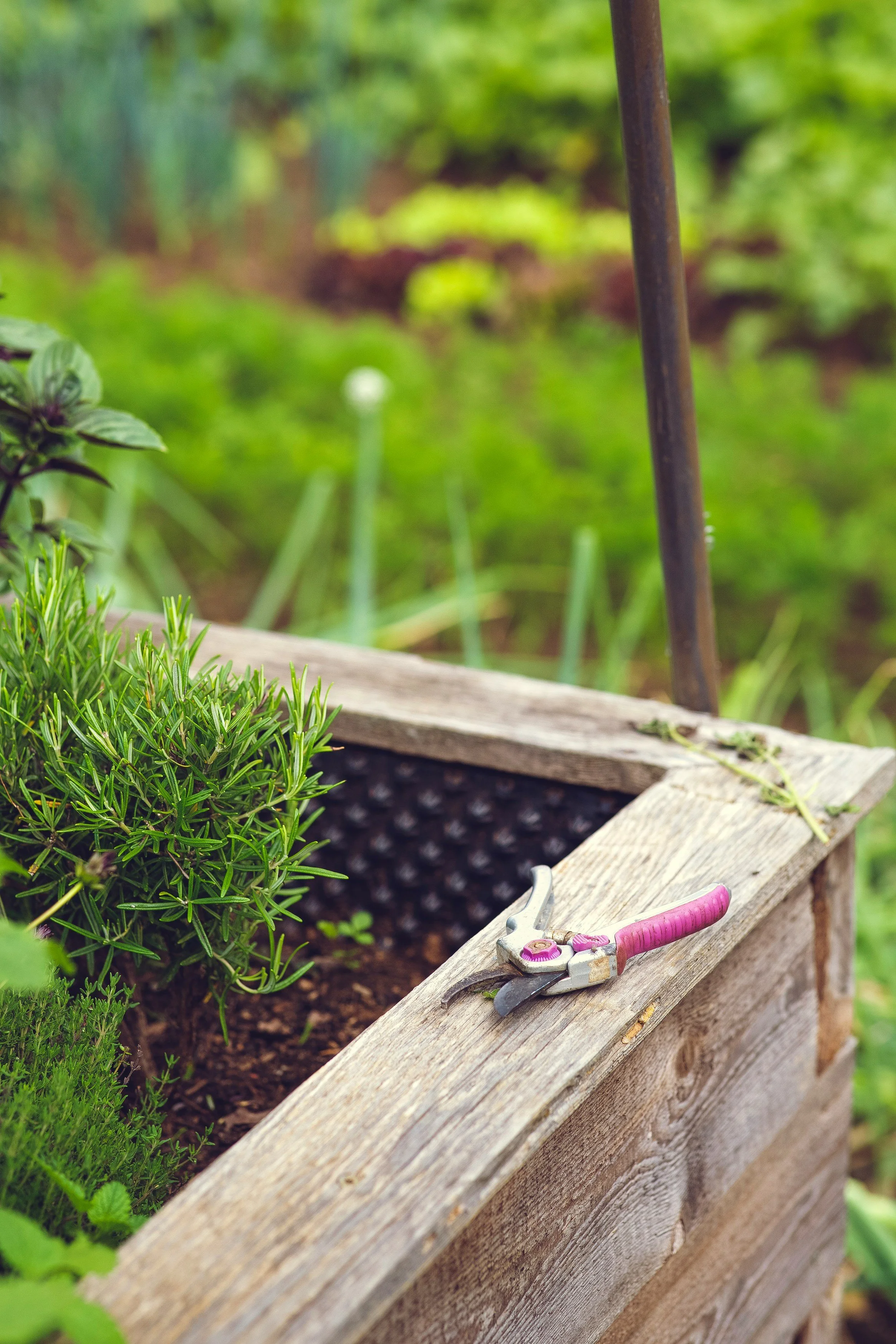
Photo by Markus Spiske on Unsplash
When choosing a garden liner, it’s a good idea to select non-toxic materials, especially if you’re growing edible plants.
Best Non-Toxic Materials for Garden Bed Liners
Landscape Fabric
A water-permeable material like landscape fabric is a great option for a raised garden bed liner. It allows excess water to drain while keeping weeds at bay.
Hardware Cloth
If pests and rodents are an issue, hardware cloth is an excellent choice. It provides a strong barrier while allowing for good drainage.
Plastic Liners (Food-Safe Plastics)
While synthetic materials may not seem ideal, certain food-safe plastics can be a great choice for a raised bed garden. When using plastic liners, opt for a type of plastic that is BPA-free and safe for vegetable gardens.
Old Pool Covers or Grow Bags
Repurposing old pool covers or grow bags is a cost-effective and eco-friendly way to line your garden beds.
Natural Wood Treatments
Untreated wood can be protected with non-toxic options like raw linseed oil, tung oil, vegetable oil, or mineral oil. These natural oils create a safe finish and extend the lifespan of raised bed kits and other wooden structures.
Eco Wood Treatment & Milk Paint
Non-toxic paints such as milk paint or eco wood treatment provide an extra layer of protection without introducing harmful chemicals into your soil.
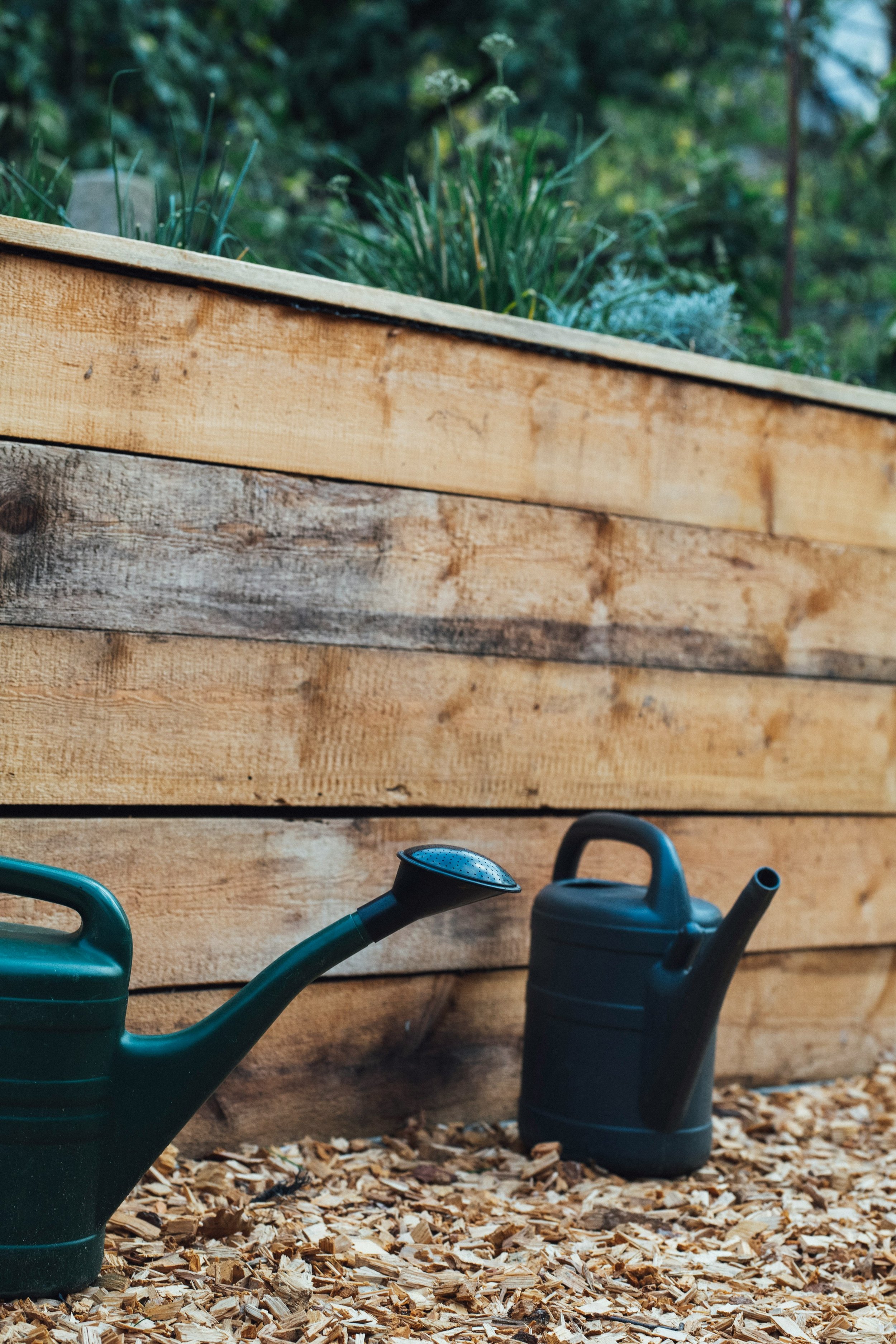
Photo by Markus Spiske on Unsplash
Materials to Avoid
Be cautious of materials like chromated copper arsenate (CCA)-treated wood, railroad ties, and synthetic materials containing volatile organic compounds or heavy metals. These can leach toxic chemicals into your garden soil over time.
Alternative Raised Bed Materials
If you’re looking for a long-term solution, consider using:
Concrete Blocks or Cement Blocks: A durable and non-toxic choice
Plastic Boards: Choose food-safe varieties for outdoor use
Western Red Cedar: Naturally resistant to rot and insects
Finding the best non-toxic garden bed liner is crucial for organic gardening success. Whether you opt for landscape fabric, natural wood treatments, or food-safe plastics, ensuring that your raised bed liner is safe for plant roots and free from harmful chemicals is always a good idea. You can find many of these materials at big box stores like Home Depot, or you can explore online options for additional details.
The best thing you can do for your own garden is to choose non-toxic materials that promote a healthy growing season. Good luck with your raised garden, and happy backyard gardening!

